•
5 Min Read
•
5 Min Read
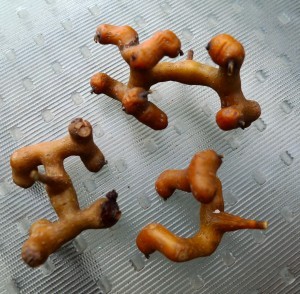
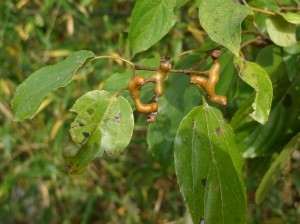
These extraordinary wild fruits, harvested in the Zhejiang countryside, taste rather like pear or jujube, although of course they have proportionally less flesh to skin, to the skin seems thicker and more fibrous. The seeds form outside the fleshy fruit, as you can see in the pictures. Their Latin name is Hovenia Acerbis Lindl, which may be the same as Hovenia Dulcis, the oriental raising tree - see this Wikipedia entry. In Chinese, they
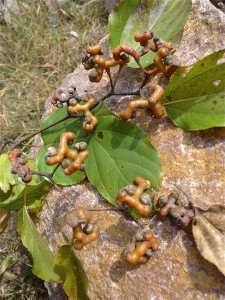
are called guai zao_(æ‹æž£)_, whose literal translation is apposite and charming: jujubes turning corners! A perfect description of their sweet, jujube-like flavour and strange, angular construction. I think they look like dancing horses or underfloor plumbing. According to Wikipedia, they taste like raisins when dried.
These extraordinary wild fruits, harvested in the Zhejiang countryside, taste rather like pear or jujube, although of course they have proportionally less flesh to skin, to the skin seems thicker and more fibrous. The seeds form outside the fleshy fruit, as you can see in the pictures. Their Latin name is Hovenia Acerbis Lindl, which may be the same as Hovenia Dulcis, the oriental raising tree - see this Wikipedia entry. In Chinese, they
are called guai zao_(æ‹æž£)_, whose literal translation is apposite and charming: jujubes turning corners! A perfect description of their sweet, jujube-like flavour and strange, angular construction. I think they look like dancing horses or underfloor plumbing. According to Wikipedia, they taste like raisins when dried.
Keep reading


